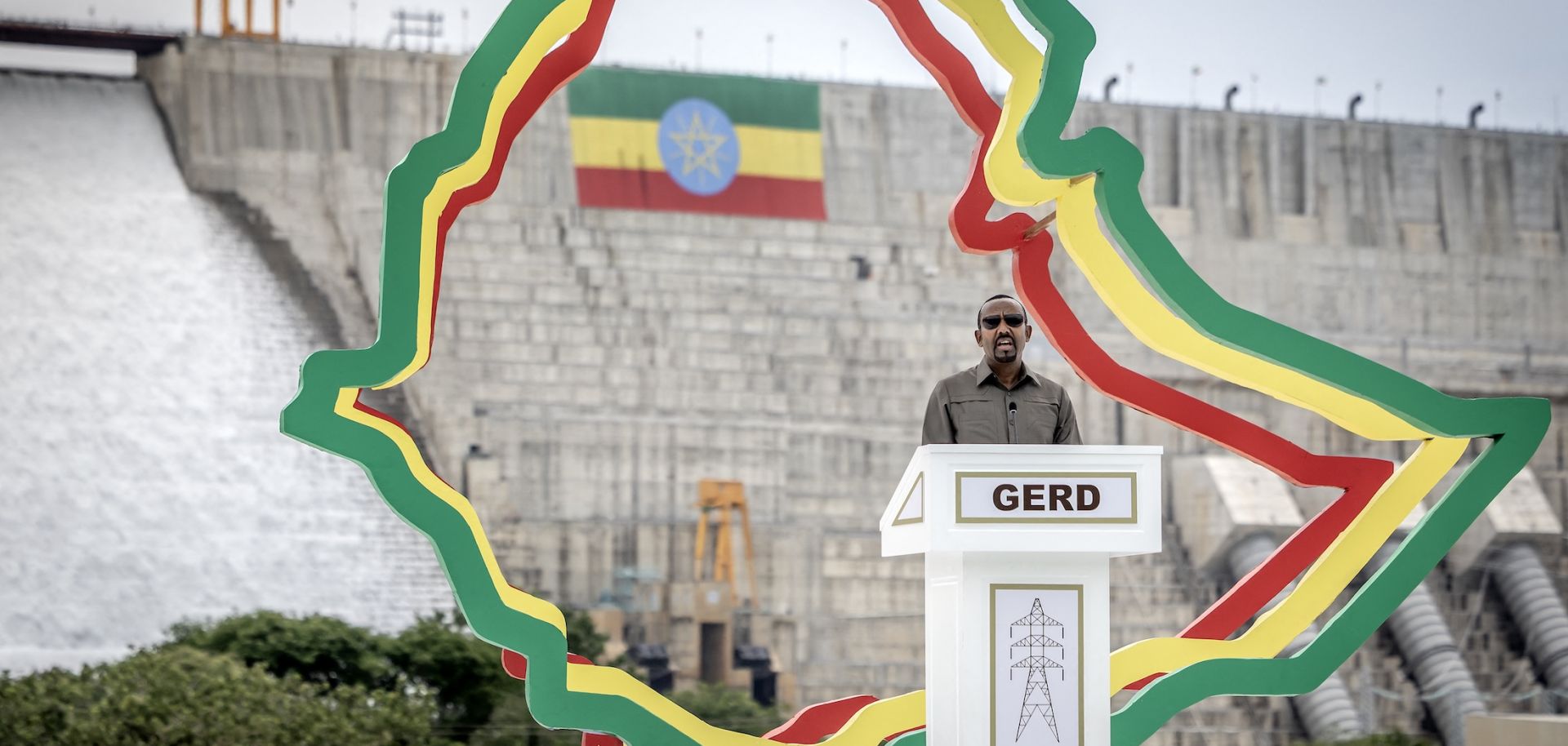
Ethiopia's June 1 general election will likely result in a landslide victory for Prime Minister Abiy Ahmed without triggering sustained nationwide unrest, which would enable Abiy to focus on advancing economic reforms and diversifying landlocked Ethiopia's maritime access; but the country faces a significant risk of escalating tensions in the Tigray region that could fuel a worsening security crisis in the Amhara and/or Oromia regions in a less-likely, higher-impact scenario. On June 1, Ethiopia will hold general elections in which voters will elect lawmakers for the House of Representatives, the country's lower house, and regional state councils for the country's 12 regions and two chartered cities. Lawmakers for the lower house and regional councilors will be elected using a first-past-the-post voting system. Once in office, the lower house will elect a prime minister, who is the head of the executive branch -- a position for which Abiy is running for...